


Are you losing thousands of dollars every year on hotel linens without even knowing it? Many hospitality wholesalers and distributors believe that a low per-unit price equals a healthy bottom line.
But behind glossy catalog photos and cheap upfront quotes lies a hidden drain on operational budgets. Traditional commercial textile suppliers rarely volunteer the truths that protect your margins.
The secret isn’t just about the fabric; it’s about how that fabric performs under relentless industrial laundering and how middlemen inflate your costs. Below is the unvarnished truth about commercial textiles that your current supplier is likely keeping quiet.
- The “Middleman Markup” is Eating Your Margins
Many suppliers who claim to own their mills are actually trading companies or secondary brokers. They source cheap goods, repackage them with premium branding, and pass the inflation on to you.

When you purchase through an actual factory-direct partner, you eliminate the middleman markup. Real manufacturing partners can instantly provide detailed technical sheets, show you active weaving or cutting machinery via live video, and offer flexible Minimum Order Quantities (MOQs) backed by raw material reserves.
If a supplier gives surface-level answers when asked about production-line timelines, they are likely a broker.
Learn More: Wholesale Bed Sheets: Quality Standards Distributors Must Know
- Fabric Weight and Fiber Blends Are Often “Optimized” (Against You)
A common tactic among standard suppliers is shaving off fabric weight, measured in Grams per Square Meter (GSM), or tweaking the fiber composition to cut production costs.
- The Cotton-Poly Trick: A supplier might quote you on a premium 60/40 cotton-poly blend but deliver a 50/50 mix that feels noticeably scratchier after five industrial washes.
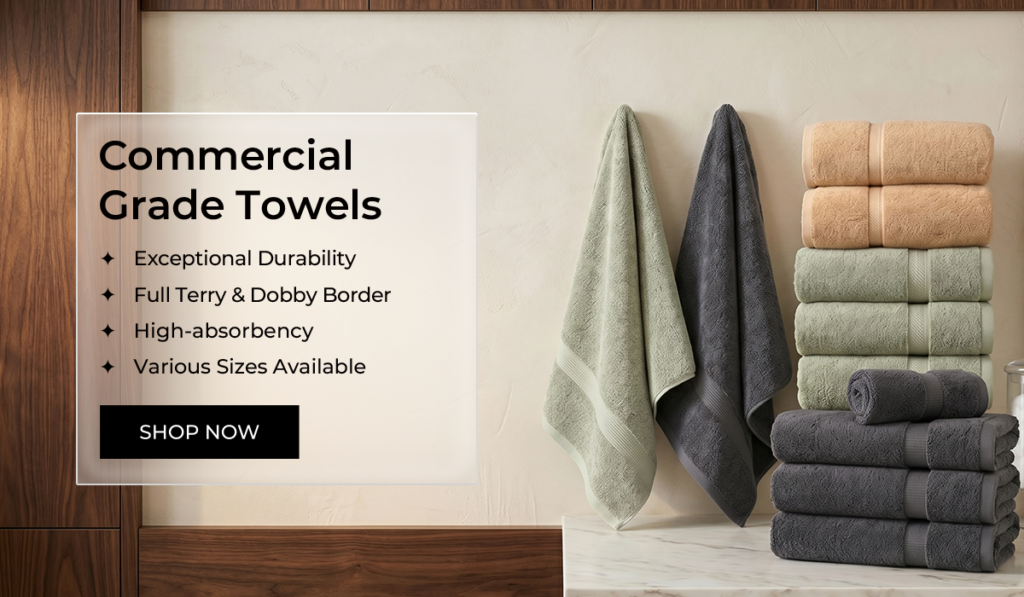
- The Invisible Weight Cut: Dropping a bath towel’s weight from 500 GSM to 450 GSM saves the supplier money but leaves your hotel clients with thin, fraying towels that trigger poor guest reviews.
Learn More: Why Wholesale Hotel Supply Distributors Need Air-Jet Towels
Always demand a pre-production sample from the active line rather than a curated showroom piece, and verify the technical specs independently.
- The True Cost of Ownership: Tensile Strength vs. Initial Price
A cheap sheet that lasts 40 industrial wash cycles is exponentially more expensive than a premium sheet that survives 120 cycles. Suppliers focus your attention on the initial purchase price because it hides the rapid replacement rate.
| Metric | Low-Cost Supplier Sheet | High-Performance Commercial Sheet |
| Initial Cost | $4.00 per unit | $6.50 per unit |
| Lifespan (Wash Cycles) | ~40 cycles | ~130 cycles |
| Annual Replacements Needed | 3 times per year | 1 time per year |
| True Annual Cost (Per Bed) | $12.00 | $6.50 |
| Tensile Strength Standard | Low (prone to pilling/tearing) | High (reinforced selvages & ring-spun yarn) |
Investing in institutional-grade textiles engineered with ring-spun yarns and reinforced hems significantly reduces long-term operational costs.
- Hidden Chemical Fillers Wash Away in the First Laundry Cycle
Have you ever touched a textile sample that felt incredibly smooth, only to find the actual bulk shipment felt stiff or coarse after its first wash?
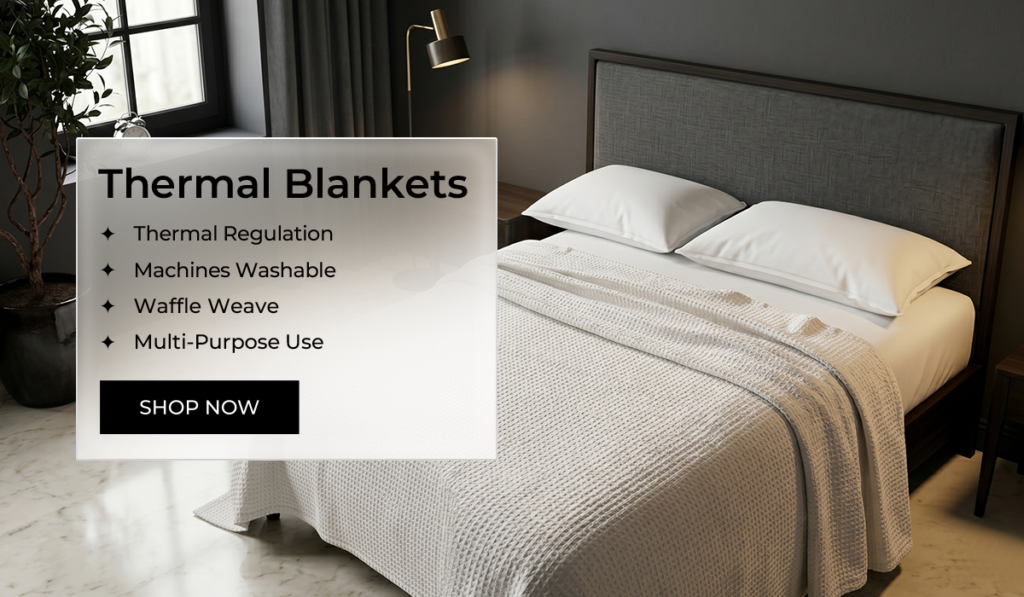
Many suppliers apply temporary chemical starches and silicone softeners during the finishing process. This artificial coating mimics high-quality, high-thread-count fabric in the showroom but dissolves entirely in commercial laundry machinery. Look for partners who prioritize the raw quality of the long-staple cotton fibers over temporary surface finishes.
Setting the New Standard: The ACME Textiles Advantage
At ACME Textiles, we do not build our business on shortcuts. For over a decade, we have operated as a premier direct supplier of institutional-grade hospitality linens, engineered specifically for high-frequency wholesale and distribution networks.
Our complete product portfolio bypasses the brokers to deliver raw manufacturing excellence straight to your warehouse:

- Premium Bedding Systems: From high-tensile flat and fitted sheets to breathable, pill-resistant duvet covers and pillows designed to withstand heavy thermal sanitization.
- Institutional Bath Linens: High-GSM, ring-spun cotton bath towels, washcloths, and pool towels featuring reinforced dobby borders that maintain absorbency and shape wash after wash.
- Specialized Healthcare & Institutional Linens: Fluid-resistant mattress protectors, durable underpads, and high-performance patient gowns engineered for strict clinical laundry protocols.
- Banquet & Food Service Textiles: Stain-releasing table linens, napkins, and service cloths designed to hold their color and texture under rigorous commercial spot-treatment.
By controlling the entire supply chain, from yarn spinning to final inspection, we guarantee strict adherence to specifications, transparent bulk-tier pricing, and reliable lead times that keep your distribution channels seamless.
Frequently Asked Questions
- What is the best fabric blend for commercial hotel sheets?
A 60% combed cotton and 40% polyester blend is widely considered the industry standard for mid-to-high-range hotels. This ratio provides the natural breathability and luxury feel of cotton alongside the wrinkle-resistance, tensile strength, and quick-drying properties of polyester.
- How can you identify if a textile supplier is a middleman or a factory?
Ask for specific, technical production constraints, such as fabric behavior variations during dyeing, exact machine lead times, or ISO 9001 quality audit reports. Real factories provide granular data and live workshop verification, whereas middlemen give vague timelines and rely on generic product photos.
- Why do wholesale towels lose their absorbency over time?
Loss of absorbency is usually caused by two factors: the use of low-grade, short-staple cotton fibers that break down quickly, or the buildup of chemical softeners used by laundries to mask cheap fabric. True commercial towels utilize 100% ring-spun cotton with zero artificial filler coatings.
- What thread count is ideal for hospitality bulk purchasing?
For commercial hospitality use, a thread count between 200 and 300 (per square inch) offers the perfect balance between guest comfort, fabric strength, and laundry processing efficiency. Thread counts that are artificially inflated often trap heat and suffer from accelerated tearing in industrial dryers.
Learn More: 5 Common Mistakes To Avoid In Hospitality Textile Distribution
Final Words
Uncovering the hidden realities of commercial textile manufacturing gives your business a distinct competitive edge. Stop overpaying for broker markups and short-lived linens that compromise your reputation with hoteliers. Partner with a transparent, factory-direct manufacturer that builds products to endure.
Ready to maximize your distribution margins?
Contact the ACME Textiles Commercial Team today to request certified fabric swatches, analyze the true total cost of ownership, and access exclusive factory-direct wholesale pricing.
