Hotels typically inspect bed linens every 3–6 months, monitor wear closely after 6–12 months of use, and plan replacement within 12–24 months for high-turnover properties, depending on condition.
For wholesale buyers, understanding the factors helps determine when bed linens have reached the end of their useful service life and when replacement is likely to improve both room presentation and operating efficiency.
How Frequently Do Hotels Replace Bed Linens?
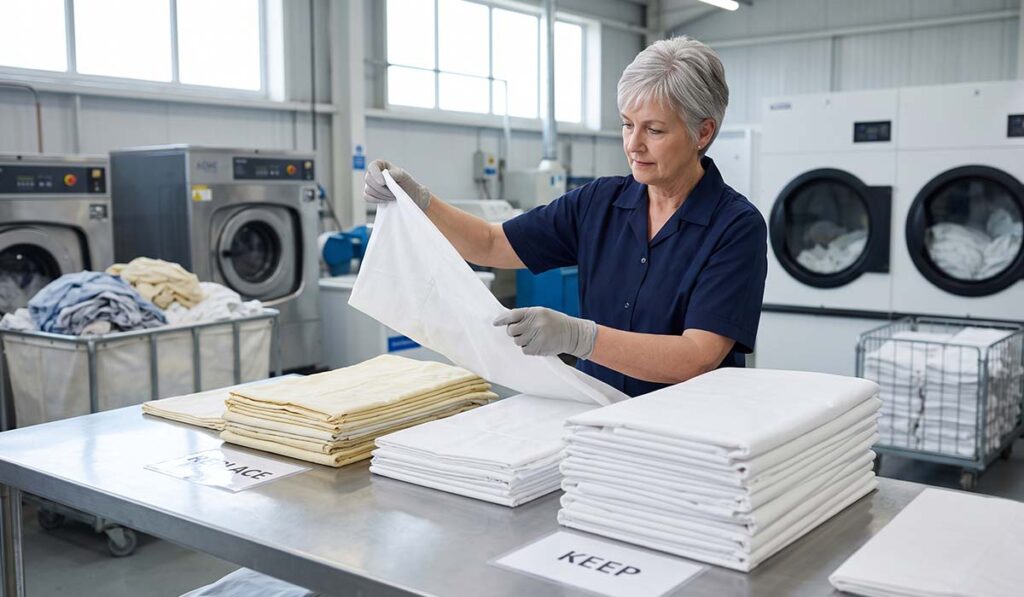
Replacement of linens in hotels is based on condition, usage intensity, and laundering frequency.
Sheets that are used and laundered several times a week will naturally experience much more wear than those used less frequently.
Hotels should evaluate bed linens based on their:
- Condition: Look for thinning, holes, fraying, stains, and seam damage.
- Performance: Check whether sheets still fit mattresses properly and maintain their intended appearance.
- Laundry exposure: Frequent commercial washing and drying can accelerate wear.
- Construction: Yarn quality, weave, stitching, and finishing influence service life.
- Usage: High-turnover properties generally place greater demands on their linen inventory.
What Determines the Lifespan of Hotel Bed Linens?
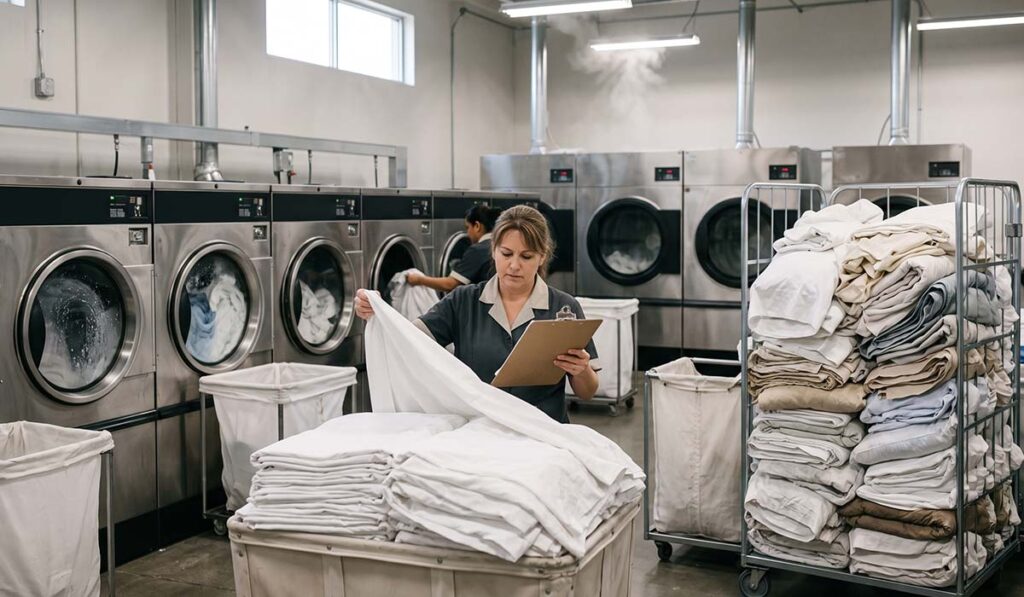
The useful life of hotel bed linens depends on the interaction between the product and the operating environment.
- Laundry Frequency
More frequent washing means more exposure to heat, chemicals, mechanical action, and drying. High-occupancy properties therefore place greater demands on their linen inventory.
- Fabric Construction
The way a sheet is constructed affects how it responds to repeated use and laundering. Yarn quality, weave, stitching, and finishing all contribute to durability.
- Room Turnover
A property with frequent guest turnover may process its sheets much more often than a low-occupancy property. This increases cumulative wear.
- Laundry Conditions
High temperatures, excessive drying, incorrect chemical concentrations, and aggressive mechanical processing can shorten linen service life.
- Inventory Management
Proper rotation distributes usage across the linen inventory. Without sufficient stock, certain sheets may be used and washed more frequently than others.
When Should Hotels Replace Different Types of Bed Linens?
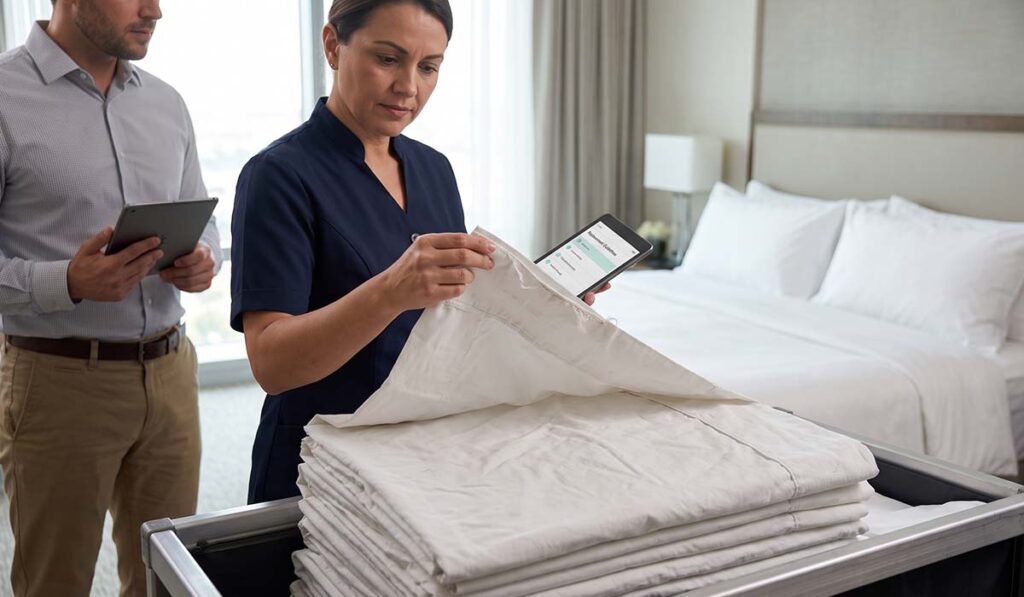
Different bed linen products can show different signs of deterioration. This approach is more useful than applying one replacement schedule to every product.
How Commercial Laundry Affects Bed Linen Lifespan
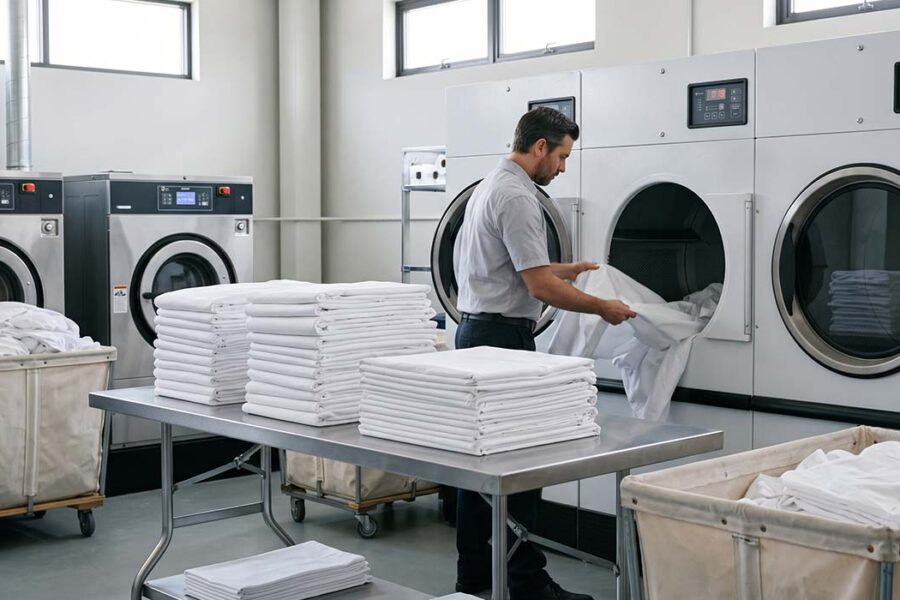
Commercial laundry is one of the biggest contributors to cumulative linen wear.
Hotel sheets are repeatedly exposed to:
- Heat: Excessive temperatures can contribute to shrinkage and fiber wear.
- Mechanical action: Washing, extraction, tumbling, and handling place stress on the fabric and seams.
- Chemicals: Incorrect detergent or bleach concentrations can affect fibers, finishes, and colour.
- Drying: Excessive heat and over-drying can increase surface wear.
- Frequency: The more often sheets are processed, the greater their cumulative exposure.
Acme’s Bed Linens Based on Your Property’s Needs
There is no single bed linen construction that works equally well for every hotel.
The better approach is to match the linen to the property’s operating requirements.
| ACME Collection | Construction | Key Characteristics | Best Suited For |
| T-180 Economy | 60% cotton / 40% polyester | Economical, breathable, reduced wrinkles and shrinkage | Economy hotels and high-volume operations |
| T-200 Percale | 60% ring-spun combed cotton / 40% polyester | Lightweight, breathable, percale weave, crease-resistant | Properties seeking comfort with easier maintenance |
| T-250 Premium | 60% combed cotton / 40% polyester | Twill weave, crease-resistant, reduced shrinkage and fading | Full-service and mid-scale hotels |
| T-250 Satin | 60% combed cotton / 40% polyester | Mercerized finish, crease-resistant, 5MM sateen stripes | Upscale hotels seeking comfort with easier maintenance |
| T-300 Luxury | 100% cotton | Sateen finish, 5MM tone-on-tone stripes, soft and lustrous surface | Luxury hotels and premium properties |
ACME Textiles: Bed Linens Built for Hospitality Use
For more than 60 years, ACME Textiles has manufactured hospitality textiles for hotels, resorts, distributors, healthcare facilities, and institutional buyers worldwide.
Our bed linen collection includes both 100% cotton and cotton-polyester constructions, giving wholesale buyers options for different property requirements and operating environments.
From economy operations to premium hospitality properties, ACME provides commercial bed linen options designed around different combinations of comfort, durability, maintenance, and cost.
Why Wholesale Buyers Choose ACME Textiles
- Over 60 years of hospitality textile manufacturing expertise
- Multiple cotton and poly-cotton bed linen constructions
- Commercial-grade products for recurring hospitality use
- Consistent quality across production runs
- Factory-direct pricing and volume discounts
- Reliable supply for recurring wholesale programs
- Global manufacturing and export capabilities
Frequently Asked Questions
- How often should hotels replace bed linens?
Hotels should replace bed linens when they show persistent thinning, stains, holes, fraying, poor fit, or other signs that affect performance or room presentation. There is no universal replacement schedule.
- How long do hotel bed linens typically last?
The service life of hotel bed linens varies based on construction, usage, laundry frequency, laundry conditions, and maintenance. Heavily used linens generally require replacement sooner than those processed less frequently.
- What are the signs that hotel bed linens need replacing?
Common signs include visible thinning, persistent stains, frayed seams, holes, excessive pilling, and loss of proper fit.
- Does thread count affect bed linen lifespan?
Thread count can provide useful product information, but it does not determine durability by itself. Yarn quality, weave, construction, finishing, and laundry conditions also affect how long bed linens remain usable.
- Do poly-cotton bed linens last longer than cotton?
Poly-cotton bed linens can provide a longer service life under frequent commercial laundering because polyester adds resilience and dimensional stability. However, actual lifespan depends on the complete construction and laundry conditions.
- How can hotels make their bed linens last longer?
Hotels can extend bed linen service life by properly rotating inventory, following recommended laundry conditions, controlling drying temperatures, using chemicals correctly, and removing damaged pieces from service promptly.
- Should hotels replace all their bed linens at the same time?
Not necessarily. Hotels can replace linens based on condition and performance rather than replacing the entire inventory on a fixed schedule. This allows usable pieces to remain in service while worn items are removed.
Final Thoughts
Hotels should replace bed linens based on condition and performance rather than a fixed replacement date.
For wholesale buyers, the best linen program balances durability, guest comfort, laundry demands, and total operating cost rather than relying on one specification alone.
Looking for commercial linens for your property?
Explore ACME Textiles‘ complete hospitality textile collection or contact our team to discuss your requirements, request product samples, and get factory-direct pricing for your next wholesale order.