 Germany
 UK
UK
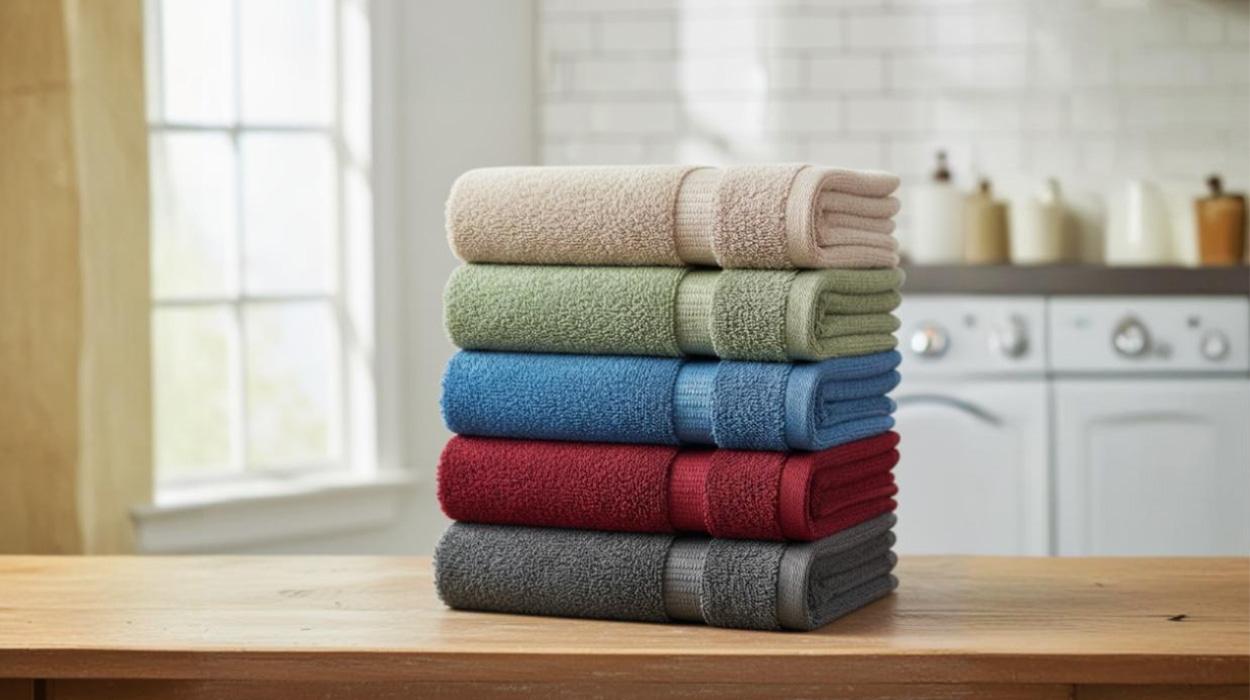
Tired of replacing your colored towels due to fading or ugly bleach spots?
If you run a hotel, spa, or resort, you know the pain. You invest in beautiful, vibrant colored towels to elevate the guest experience. Then, after just a few commercial washes, they start to look dull, faded, or worse, develop unsightly white spots from bleach exposure.
This isn’t just a minor annoyance; it’s a direct hit to your brand’s image and a massive expense in replacement costs.
The secret to maintaining rich, consistent color and extending the life of your textile investment is about how you wash it. You need a specialized approach for bulk colored towels that is totally different from white laundry.
In this expert guide, we will reveal the crucial steps and chemistry secrets used by top textile specialists to ensure your towels stay vibrant, plush, and bleach-spot-free, turning your laundry room from a color thief into a color protector.
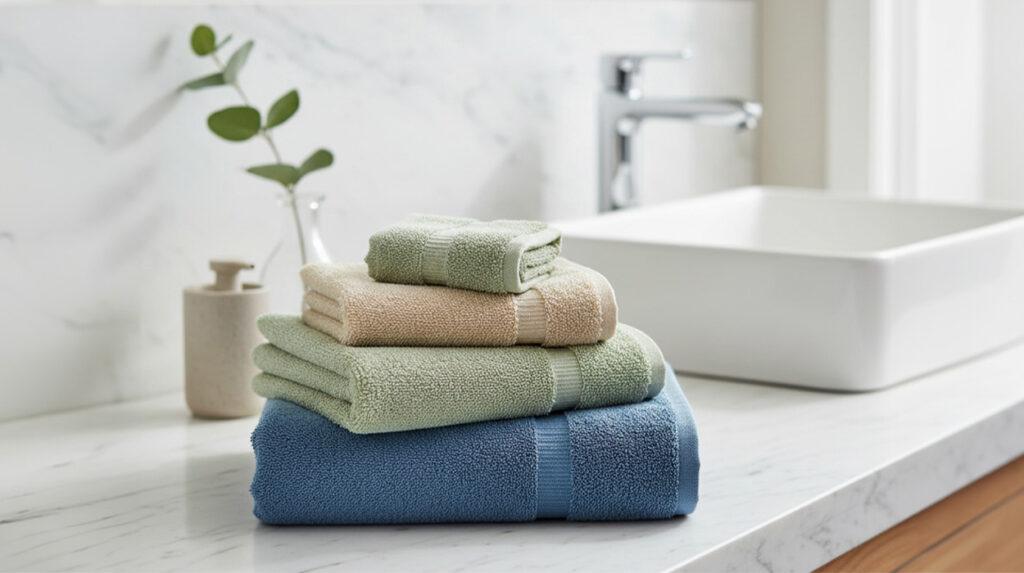
The Fundamentals: Why Colored Towels Require Special Handling
The biggest threat to a colored towel’s vibrancy is the cleaning process itself. Unlike white linens, which benefit from high heat and chlorine bleach for sanitization, colored towels are vulnerable to both.
The Dangers of Heat and Bleach
- Hot Water: High water temperatures (above 140°F/60°C) cause the cotton fibers to open up. This allows the dye molecules to escape and bleed out faster, leading to rapid fading. Warm or cool water (around 104°F/40°C) is the gold standard for preserving colorfastness.
- Chlorine Bleach: This is the ultimate enemy of color. Even small residual amounts of chlorine bleach in your washing equipment or residual chemicals on towels from other loads can cause irreversible, localized color stripping, creating those dreaded white or pink bleach spots.
The 4 Pillars of Colored Towel Commercial Laundry Care
For hospitality business owners, following these four proven steps will drastically reduce your textile replacement rates and keep your inventory looking fresh.
1. Meticulous Sorting and Separation
You must separate your laundry meticulously. This prevents dye transfer (where color bleeds from one item onto another) and cross-contamination from cleaning chemicals.
- Color Groups: Separate towels not just from white linens, but also by shade. Wash dark colors (navies, greens) together, and light colors (pastels, tans) together.
- Towel-Only Loads: Never mix towels with guest garments or housekeeping rags. Towels produce lint, and the friction from other fabrics accelerates wear and color loss.
- Pre-Soaking and Pre-Treatment: Treat stains immediately before washing. Stains from cosmetics (especially those containing benzoyl peroxide), hair dyes, or cleaning sprays must be pre-treated with a color-safe stain remover. Do not let stains sit, as this often leads to the overuse of harsh chemicals later.
2. Chemical Control: Choose Your Detergent Wisely
Your cleaning agents are the most important factor in color longevity.
- Avoid Optical Brighteners: Many commercial detergents contain Optical Brightening Agents (OBAs). These chemicals are designed to make whites look whiter by reflecting blue light, but they make colored towels look dull, gray, or muted. Select a high-quality, liquid detergent specifically labeled “color-safe” or “free of OBAs.”
- Ban Chlorine Bleach: Use oxygen-based color-safe bleach alternatives only when necessary for sanitization or stain removal on colored items. This non-chlorine option brightens and disinfects without attacking the towel’s dye.
- Skip Fabric Softener: Fabric softener leaves a waxy residue on the cotton fibers. While it smells nice, this coating reduces absorbency and can actually attract and trap dirt, making the towel appear duller over time.
Pro Tip: Use distilled white vinegar in the rinse cycle as a natural softener and residue remover.
3. Perfect Machine Settings and Load Balance
One of the most crucial questions is how to wash colored towels. Commercial machines are powerful, but misuse will shred your investment.
- Water Temperature: As noted, wash colored towels in warm or cold water. Reserve hot water only for heavily soiled items, and only when necessary.
- Avoid Overloading: Overloading the washer prevents proper agitation, which leads to poor cleaning and detergent residue. It also increases friction between the towels, accelerating fiber wear and color fading. The towels need room to move freely.
- Complete Drying: Over-drying towels on high heat makes the cotton fibers brittle, stiff, and reduces their lifespan. Use a low or medium heat setting and remove towels immediately when they are fully dry. Never leave damp towels to sit, as this leads to mildew and odor, forcing a second, harsher wash.
4. Inventory Rotation and Maintenance
Even the best-cared-for towels will wear out eventually. Smart inventory management is key to maintaining a polished look across your property.
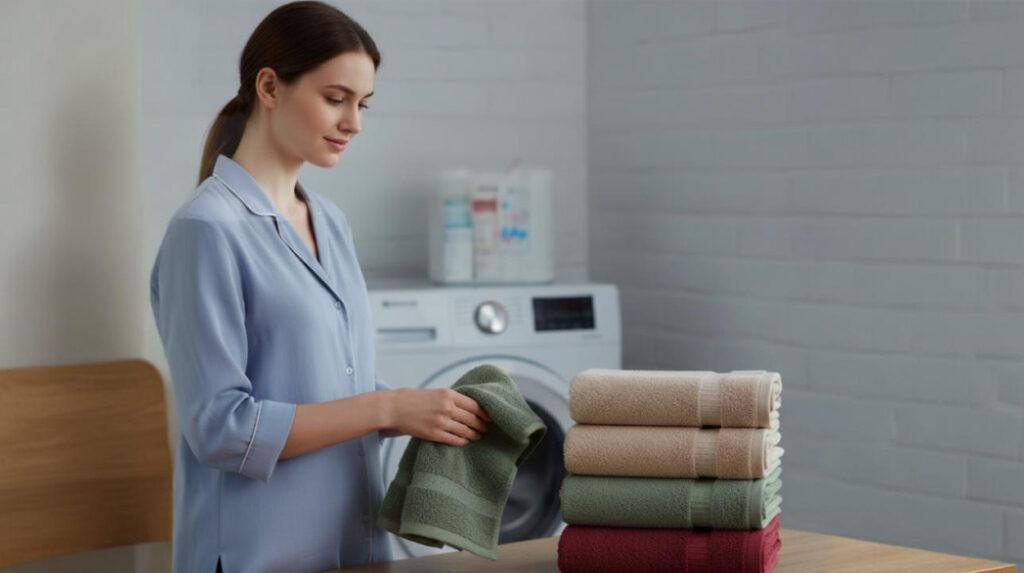
- The Rotation Rule: Always place freshly washed colored towels at the bottom of your linen stack. This ensures all towels in your bulk inventory are used and washed equally, leading to consistent wear and color across your entire stock, rather than having a few perpetually faded sets.
- Culling Protocol: Establish a standard for “retirement.” Pull towels that have reached a certain level of fading, snags, or bleach spotting. Using a faded towel suggests a lack of attention to detail that guests notice.
Your Partner in Textile Excellence: ACME Textiles
Maintaining bulk colored towels at a commercial scale requires top-tier textiles designed to withstand industrial-grade laundry. For over two decades, ACME Textiles has stood as the No. 1 source of hospitality textiles in the U.S. We have built a huge customer base globally by focusing on durability, colorfastness, and quality that exceeds the demands of the world’s busiest hotels and resorts.
Our colored towels are constructed with specialized, reactive dyes and reinforced stitching to ensure maximum resistance to the very challenges discussed here: fading, bleaching, and high-frequency laundering. When you choose ACME Textiles, you are choosing a partner dedicated to minimizing your replacement costs and delivering a consistently luxurious experience to your guests, wash after wash.
Final Words
Following expert protocols for washing bulk colored towels, meticulous sorting, using color-safe, OBA-free detergents, avoiding chlorine bleach, and using warm/cold water is essential to prevent fading and maintain color consistency in commercial settings.
These practices, along with proper machine settings and inventory rotation, maximize the lifespan and vibrancy of your textile investment.
Upgrade your inventory with ACME Textiles’ durable, colorfast bulk towels and stop worrying about fading.