 Germany
 UK
UK
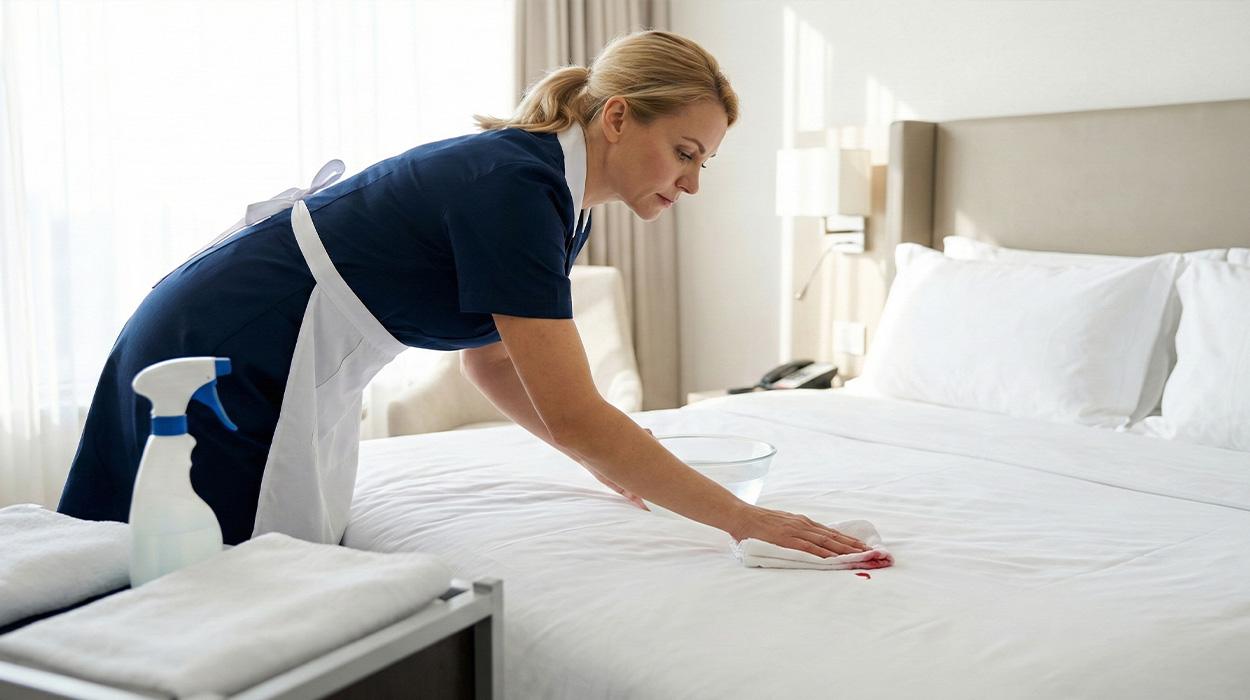
Is a small blood spot ruining your massive investment in luxury linens?
Blood stains on luxury cotton sheets are a frequent hospitality challenge. Standard washing often sets these protein-based stains permanently, necessitating costly replacement and damaging your reputation.
However, swift action and the professional procedures outlined in this guide will allow your team to successfully eliminate even stubborn blood stains, keeping your linens spotless and hygienic for your guests.
The Cardinal Rule: Treating Fresh Blood Stains on Cotton Sheets
The moment a blood stain is discovered on your cotton sheets, immediate action must be taken. Speed is the single most critical factor in successful protein stain removal.
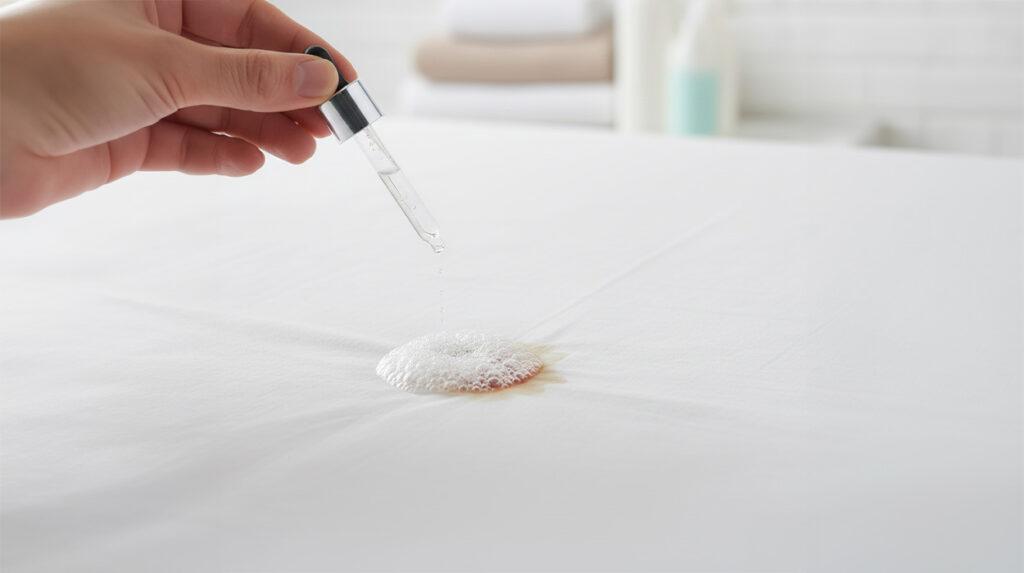
1. Act Fast and Stay Cold
The core principle of blood stain removal is temperature control. Blood contains proteins (hemoglobin) that will coagulate and permanently bond with cotton fibers when exposed to heat.
- Never Use Hot Water: Hot water will “cook” the blood protein into the fabric, making the stain virtually impossible to remove.
- Rinse Immediately: Start by placing the stained area under a stream of ice-cold water. Rinse from the back side of the fabric to push the stain out, rather than embedding it further.
- Blot, Don’t Rub: Gently blot the stain with a clean cloth or absorbent towel. Vigorously rubbing the area can spread the stain and damage the cotton fibers.
2. The Power of Enzymes (The Hospitality Standard)
For commercial laundries and hospitality operations, enzyme-based solutions are the industry standard for protein stain removal.
- Enzyme Detergent Soak: Fill a dedicated sink or basin with cold water and add a high-quality enzyme laundry detergent (or an enzymatic stain remover).
- Soak Time: Allow the stained cotton sheets to soak for a minimum of 30 minutes, or ideally, several hours (or overnight) for tougher stains. Enzymes work by chemically breaking down the protein bonds.
Professional Pre-Treatment Methods for Cotton Sheets
If the cold water rinse and enzyme soak do not completely lift the stain, utilize these professional spot-treatment remedies before washing the entire sheet.
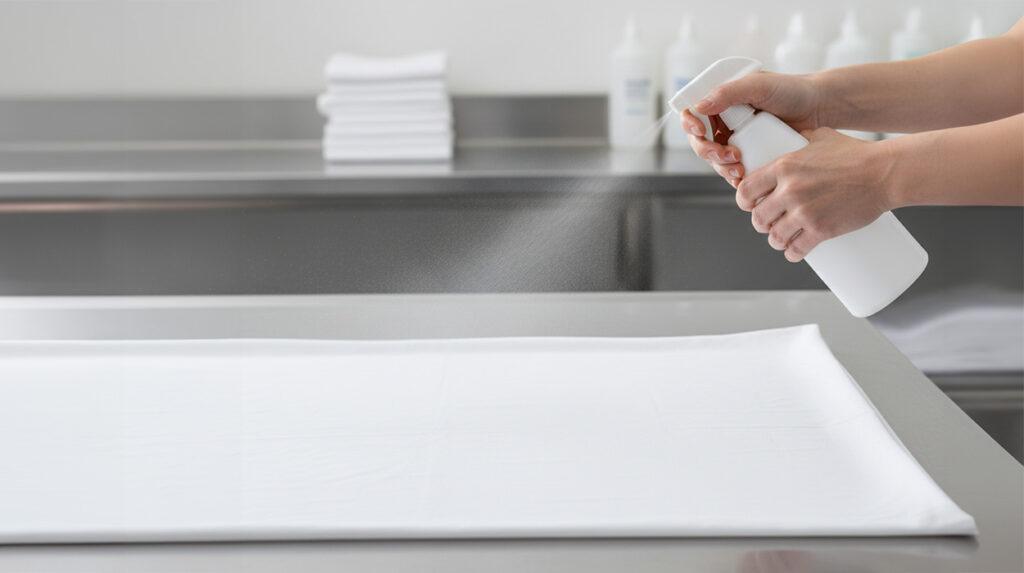
3. Hydrogen Peroxide (Best for White Cotton Sheets)
Hydrogen peroxide is highly effective on blood stains, as the oxidation process breaks down the blood’s components.
- Application: Apply a small amount of standard 3% hydrogen peroxide directly onto the stain. You will observe fizzing or bubbling; this indicates the peroxide is actively breaking down the blood.
- Rinse Check: Let it sit for a few minutes, then rinse thoroughly with cold water.
- Caution: Hydrogen peroxide is a mild bleaching agent. Always test on an inconspicuous area of colored cotton sheets before treating the main stain to prevent discoloration.
4. Salt and Water Paste
Salt is an effective, non-toxic abrasive and a gentle agent for lifting fresh blood stains from durable fibers like cotton.
- Mixture: Mix table salt with a small amount of cold water to create a thick paste.
- Treatment: Apply the paste generously to the stain. Gently rub the paste into the cotton fibers using your fingertips or a soft brush.
- Wait and Rinse: Let the paste sit for 10–20 minutes to draw out the blood, then rinse completely with cold water.
5. Tackling Dried or Set-In Stains on Cotton Sheets (The Repeat Cycle)
Dried blood stains require persistence and patience.
| Condition | Recommended Action |
| Dried Stains | Start by gently scraping off any caked residue. Soak in cold water mixed with an enzyme detergent for several hours (up to 8). |
| Still Visible | Apply a paste of Baking Soda and cold water or a diluted mixture of white vinegar (1 part vinegar to 2 parts water) directly to the damp stain. Let’s sit for 30 minutes. |
| Final Option | If the cotton sheets are white, use an oxygen-based bleach (like OxiClean) mixed in cold water during a second wash cycle. Never use chlorine bleach initially, as it can react with the protein and set the stain. |
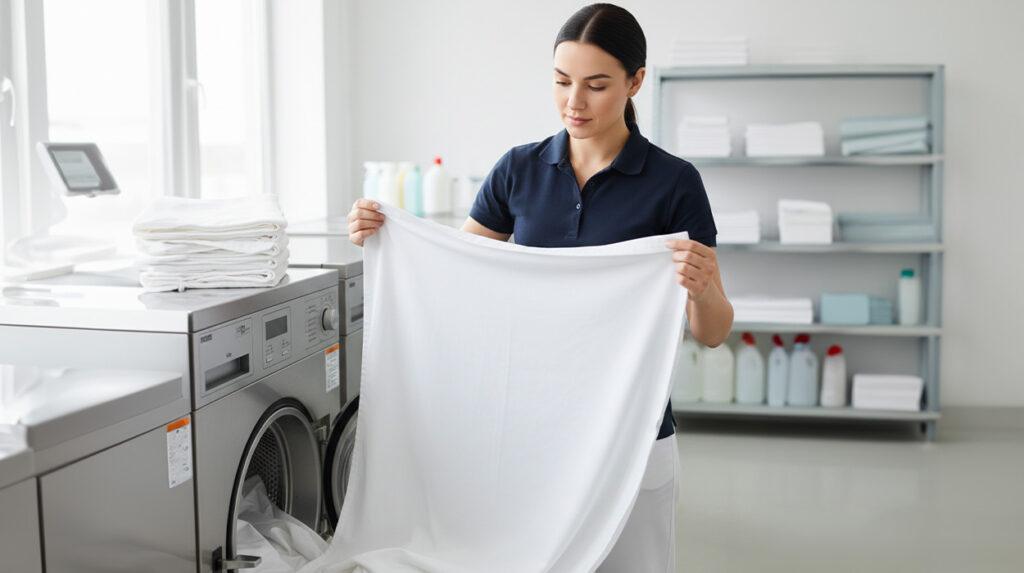
Washing and Inspection: The Final Laundry Cycle
Once pre-treatment is complete, follow the final washing protocol for your stained linens.
- Final Wash: Wash the pre-treated cotton sheets in the washing machine using a cold water cycle only. Use your standard, high-quality laundry detergent.
- Inspect Thoroughly: After the wash cycle finishes, do not move the sheets to the dryer. Inspect the stained area under good light.
- If the Stain is gone: Proceed to dry the sheet as normal.
- If the Stain Remains: Do not dry. Heat will permanently set any remaining stain. Repeat the entire pre-treatment process from Step 2 onwards.
- If the Stain is gone: Proceed to dry the sheet as normal.
- Drying: Once satisfied that the stain is completely removed, dry the sheets. Air drying or using a low-heat setting is always recommended to maintain the integrity and longevity of your hospitality textiles.
Partnering with ACME Textiles
Maintaining flawless cotton sheets is crucial, but it starts with superior quality linen. We at ACME Textiles understand the rigorous demands of commercial laundering and the necessity of durable, stain-resistant fabrics.
We are proud to be the No. 1 hospitality textile manufacturer and exporter all over the globe, providing the world’s most prestigious hotels with sheets that stand up to constant use, industrial washing, and professional stain treatment processes. Our commitment is to exceptional thread count, supreme durability, and textiles engineered to ensure maximum lifespan, minimizing your replacement costs. Choosing ACME Textiles means investing in quality that reflects the excellence of your brand.
Final Words
Successful blood stain removal from cotton sheets hinges entirely on prompt action, the exclusive use of cold water, and the strategic application of protein-dissolving agents like enzyme cleaners or hydrogen peroxide. By making pre-treatment and inspection mandatory steps in your laundry workflow, you can drastically reduce linen replacement costs and guarantee a perpetually spotless presentation.
Connect with ACME Textiles today and experience the difference of globally recognized textile excellence.