 Germany
 UK
UK
Discover what waterproof mattress pads are made of, from TPU membranes to breathable fabrics. Learn about materials, construction technologies, and how to choose the best waterproof mattress protection for your needs.
Different research shows that over 15% of adults experience nighttime accidents annually, and mattresses with waterproof protection last up to 40% longer than standard ones.
Whether you’re protecting against spills, sweat, allergens, or accidents, understanding what goes into waterproof mattresses helps you make informed decisions. Let’s dive into the materials, construction, and technologies that make these protective sleep solutions work.
The Science Behind Waterproof Mattress Pad Materials
Waterproof mattress pads aren’t just regular mattress pads wrapped in plastic. They’re carefully engineered products that balance protection with comfort and breathability. Modern waterproof mattresses use several sophisticated materials to create effective barriers.
Polyurethane (PU) Membranes
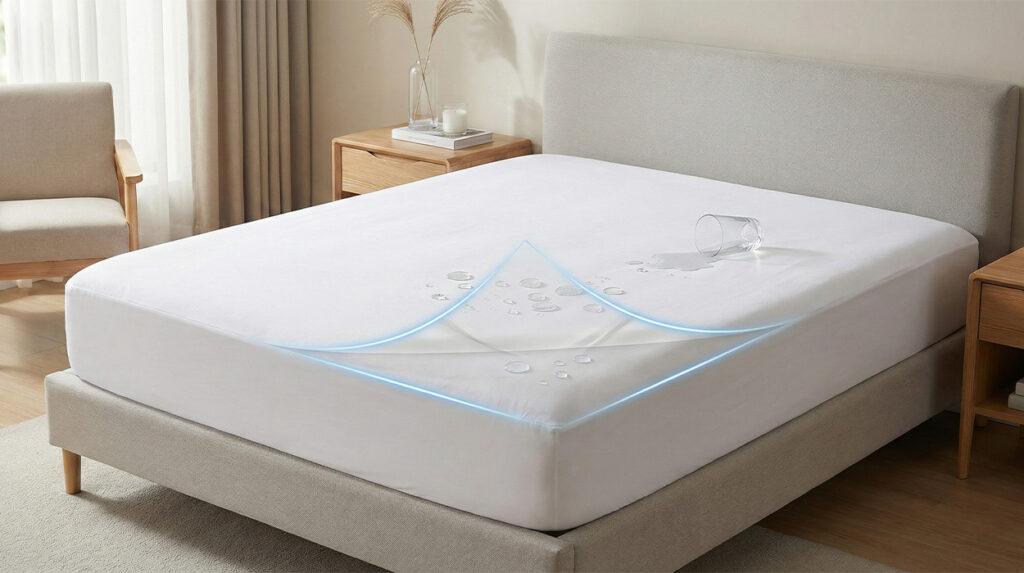
Polyurethane is the most widely used waterproof material in mattress pads today. This thin, flexible membrane creates a barrier that blocks liquids while allowing air molecules to pass through. Think of it as a microscopic filter; water droplets are simply too large to penetrate the material, but water vapor from body heat can escape freely. This dual-action design keeps you dry while preventing the mattress from feeling like you’re sleeping on plastic.
Thermoplastic Polyurethane (TPU)
TPU represents an upgrade from standard polyurethane. It offers superior durability and can withstand hundreds of washing cycles without degrading. Premium waterproof mattresses often use TPU because it maintains flexibility and breathability even after years of daily use. TPU is also more resistant to oils, chemicals, and temperature extremes, making it ideal for long-term mattress protection.
Learn More: 3 Best Hotel Pillows: The Secret to 5-Star Guest Satisfaction
Vinyl and PVC Coatings
Vinyl and PVC create complete waterproof seals with exceptional durability. However, these materials tend to trap more heat than PU or TPU alternatives. You’ll typically find vinyl in medical-grade mattresses, hospital beds, and institutional settings where maximum protection is prioritized over breathability. While effective, they may not be the most comfortable choice for home use.
Advanced Fabric Blends
The outer surface of waterproof mattresses typically features specialized fabric blends. Cotton, polyester, bamboo, or combinations of these fibers are bonded to waterproof backing materials. This creates a soft, comfortable sleeping surface that doesn’t feel clinical or plasticky while still protecting the mattress core from moisture damage.
How Waterproof Mattresses Are Made?
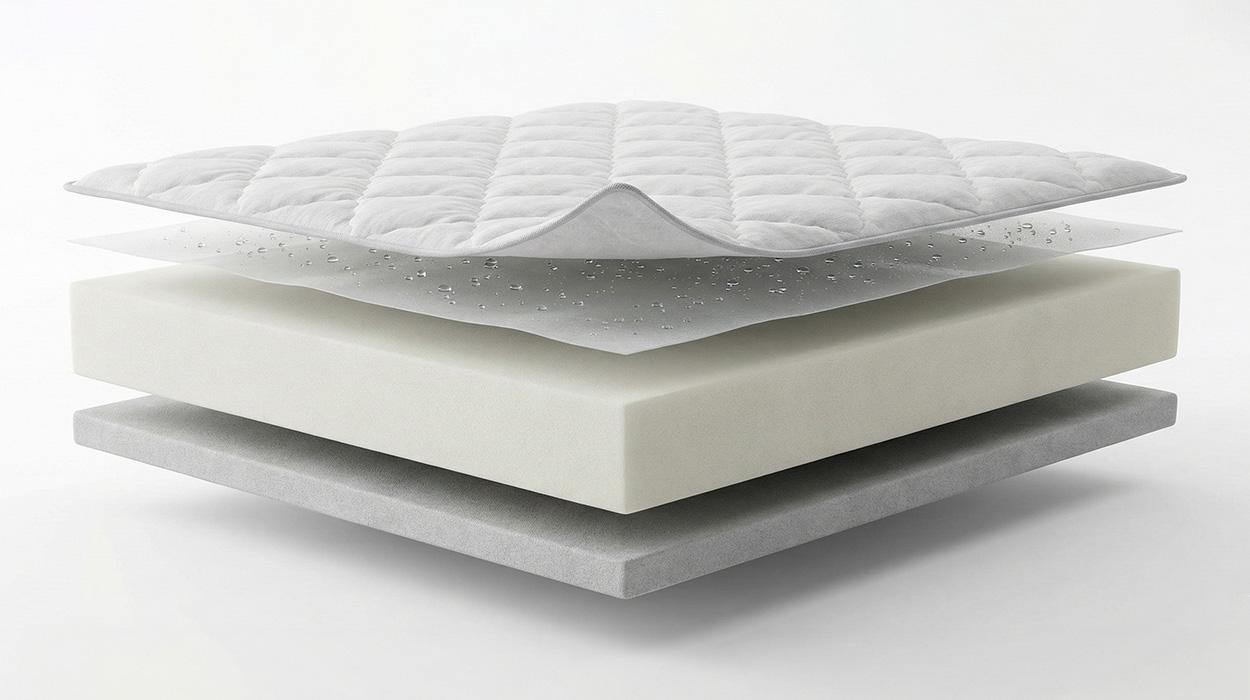
Understanding the layer structure helps you evaluate quality and performance. Most waterproof mattresses follow a four-layer construction model:
Layer 1: Surface Fabric
The topmost layer uses natural or synthetic fibers treated for moisture-wicking. Thread counts typically range from 200 to 400, providing comfort while facilitating temperature regulation.
Layer 2: Waterproof Membrane
This critical layer uses PU, TPU, or vinyl barriers ranging from 0.02mm to 0.5mm thick. The membrane is bonded or laminated to adjacent fabric layers and determines the mattress’s overall breathability and protection level.
Layer 3: Mattress Core
The core provides support and comfort through memory foam, polyfoam, latex, innerspring coils, or hybrid combinations. This layer functions identically to non-waterproof mattresses.
Layer 4: Base Support
High-density foam foundations or coil support systems ensure structural integrity and mattress longevity.
Learn More: Down Vs Down Alternative Pillows: Which is Best for Hotels?
Manufacturing Technologies That Make the Difference
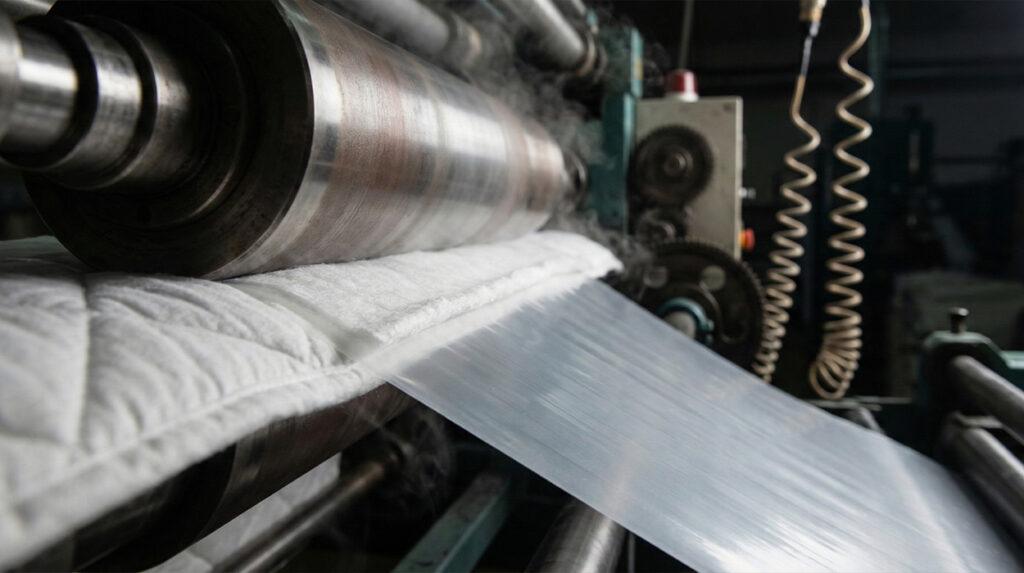
The way waterproof materials are applied significantly impacts performance. Modern manufacturing employs several advanced techniques:
Adhesive Lamination
Adhesive lamination bonds waterproof membranes to fabric using specialized adhesives, creating a permanent barrier that won’t separate during washing.
Thermal Lamination
Thermal lamination uses heat to fuse the waterproof layer to the fabric without adhesives. This method creates stronger bonds while reducing chemical exposure.
Ultrasonic Welding
Ultrasonic welding employs high-frequency sound waves to bond materials at a molecular level. This technique is particularly effective for seams and edges, creating seamless waterproof protection.
Breathability gets enhanced through microporous technology, millions of microscopic pores that are large enough for water vapor to escape but too small for liquid water to penetrate. Some advanced mattresses also incorporate phase change materials (PCM) that absorb and release heat, maintaining optimal sleeping temperature despite the waterproof layer.
Learn More: What Type of Bath Towels Do Hotels Use? The Sourcing Guide
Frequently Asked Questions (FAQs)
- Do waterproof mattresses make you sweat more?
Not when properly designed. Modern waterproof mattresses with microporous membranes allow water vapor to escape while blocking liquids. Quality matters; look for breathability ratings above 5,000 g/m²/24hr.
- How long does waterproofing last?
It depends on materials. Basic polyurethane barriers last 3-5 years. TPU membranes extend to 10-15 years with proper care. Vinyl/PVC can last 15+ years but may compromise comfort over time.
- Are waterproof mattresses safe for babies?
Yes, when they meet safety standards. Choose firm mattresses with low chemical emission certifications (GreenGuard Gold), adequate breathability to prevent overheating, and formulations free from phthalates and flame retardants.
- What’s the difference between water-resistant and waterproof?
Water-resistant materials repel water temporarily but eventually allow penetration. Waterproof materials create complete barriers; no liquid penetrates regardless of exposure time or amount.
What to Look for When Buying Waterproof Mattress Pads
When selecting a waterproof mattress, prioritize these quality indicators:
- TPU or medical-grade polyurethane construction (avoid thin vinyl)
- Published breathability ratings (minimum 5,000 g/m²/24hr)
- Third-party certifications (OEKO-TEX, CertiPUR-US, GreenGuard)
- Waterproofing-specific warranty coverage (5+ years minimum)
- Ultrasonically welded seams for superior durability
Making the Right Choice For Waterproof Mattress Pads
Waterproof mattresses have evolved dramatically from the uncomfortable plastic sheets of the past. Today’s technology combines sophisticated materials like TPU membranes, breathable fabrics, and intelligent construction techniques to deliver protection without sacrificing comfort.
The materials matter. Whether you’re protecting a child’s mattress, extending your investment’s lifespan, or managing specific medical needs, understanding construction and material quality ensures you get genuine protection that performs.
ACME Textile: The Hospitality Textile Manufacturer and Exporter Globally
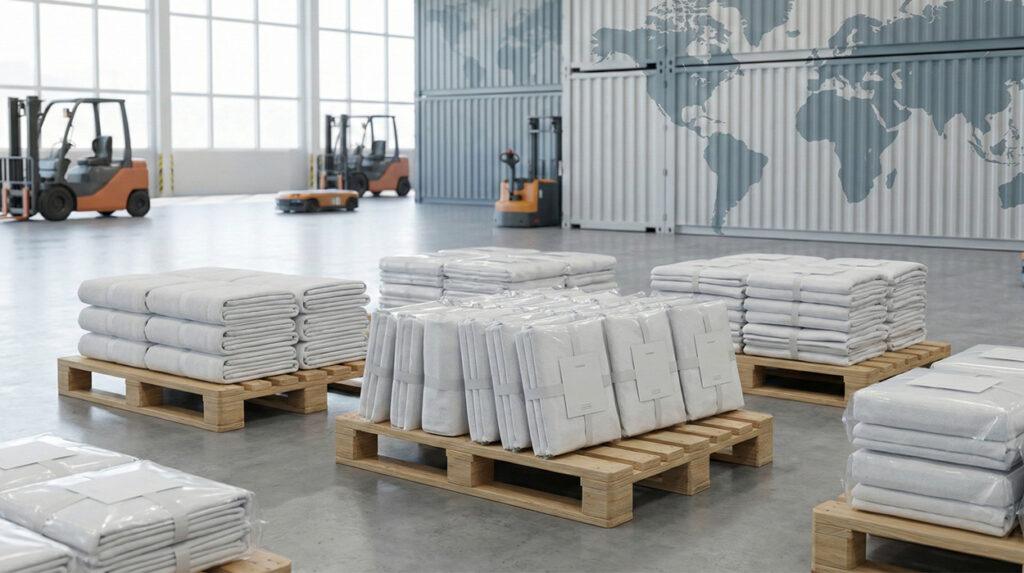
When you choose ACME Textiles, you’re selecting a company that has pioneered waterproof textile solutions for over a decade. Our commitment to quality, sustainability, and innovation delivers protection that lasts, backed by science, certified by independent third parties, and proven through real-world use.
Ready to experience the ACME difference? Visit our website or contact our sleep specialists to discover the perfect waterproof mattress solution for your specific needs.